Drinking Before Seeing Your Ex at Handovers? Other Ways to Take the Edge Off
One drink to steady your nerves feels harmless. Before a handover, with a car and your kids involved, it isn't.
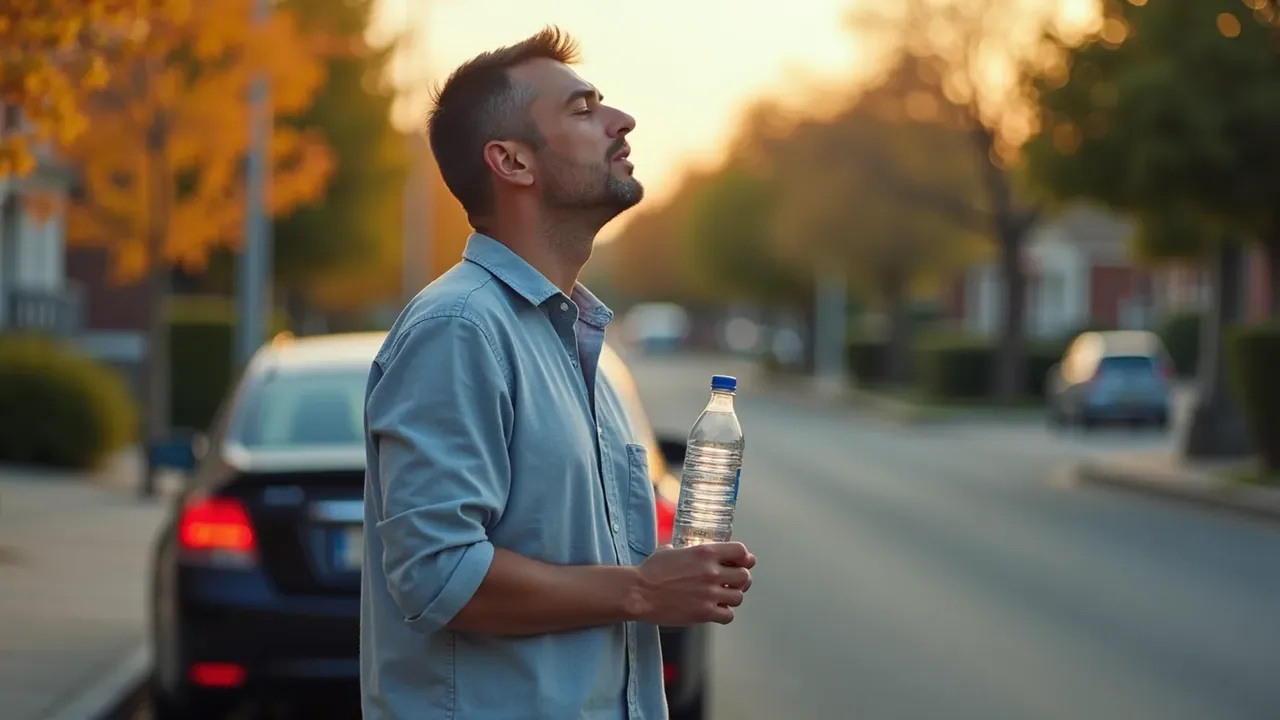
Video version: The hour before the handover, without a drink
Coming soon. Everything in the video is in the written guide below.
If you've been drinking before seeing my ex became your way through handovers, stop that one habit first: no alcohol before driving or seeing the children, ever. Then replace what the drink was doing with a 30-minute routine: sort the logistics in writing, walk, breathe with a long out-breath, and have a plan for afterwards.
"I've started having a drink or two before handovers, just to get through them."
It's the hour before. You're watching the clock, your chest is tight, and a beer or a glass of wine seems like the only thing that will make the next ten minutes bearable.
You have other ways to take the edge off before hard moments, and a firm line: no alcohol before driving or seeing the kids.
Why a drink before handovers becomes a habit
Seeing your ex face to face, in front of the children, is one of the most stressful regular events in a separated father's week. Your body treats it like a threat: racing heart, tight jaw, restless hands. A drink takes the edge off quickly, so your brain files it as the solution.
The problem is that it works too well, in the short term. Next time the anxiety rises, the drink is the first thing you think of. Within weeks, one becomes two, and the hour before every handover starts to revolve around it. Drinking to cope with divorce often starts exactly like this: tied to specific hard moments.
Meanwhile, the anxiety itself doesn't shrink. It grows, because you've never had the chance to learn that you can get through a handover without help.
The pillar guide on drinking after a breakup covers drinking to get through hard moments in general. This post is about the specific hour before you see her.
The real risks of drinking before seeing your ex
This isn't a lecture. But it's worth being clear about what's at stake.
- The car. Many handovers involve driving. Alcohol affects judgement and reaction time before you feel drunk, and drink driving limits vary, with some places at or near zero. With children in the car, the only safe amount is none.
- The children. Kids notice smell and mood. Even one drink can change how you seem to them.
- The co-parenting record. If your ex notices alcohol at a handover, it can become part of the dispute, and it may matter if arrangements are ever reviewed. For anything legal, talk to a family lawyer.
- The anxiety. Using alcohol to manage anxiety before seeing ex usually makes the anxiety worse over time.
A 30-minute pre-handover routine
- Send the logistics message the night before, so there's nothing to discuss on the step.
- Thirty minutes before, walk briskly for ten minutes, ideally outside.
- Do a breathing exercise for five minutes: in for four counts, out for six to eight.
- Splash cold water on your face and wrists, and drink a full glass of water.
- Read your three handover lines, then call or message one friend: "Handover in ten, wish me luck."
- Plan the hour after: a walk, the gym, food with a friend, or a call.
Why breathing works
A breathing exercise with a longer out-breath than in-breath is one of the simplest ways to calm your body's stress response. It isn't magic, and it won't make the feeling vanish. It brings your heart rate down enough for you to think clearly. Five minutes in the car park is plenty.
The hour after
Much of the pre-handover drinking is really about the afterwards: the drive home alone, the quiet flat, the replay of her face. If there's a plan for that hour, the hour before feels lighter. For the handover itself, handovers with your ex has a two-minute doorstep script.
Words for the moment the urge hits
Keep this on your phone, where you'd usually reach for a drink.
"I'm not drinking before I see her or the kids. That's a fixed line.
This feeling peaks and passes. I don't need to make it go away; I need to get through ten minutes.
Walk. Breathe. Water. Three lines. Leave.
After: [your plan for the next hour]."
Sean swaps the pint for a walk
Sean, 46, had been having a pint at a pub near his ex's house before every Friday handover, and sometimes a second. One week his daughter asked why he smelled "like the pub". That night he made a new rule. The next Friday he parked a street away, walked for ten minutes, did five minutes of breathing in the car and texted his brother. The first two Fridays were rough; his hands shook a little at the door. By the fifth week, he said the walk had become the part of Friday he looked forward to.
Mistakes when you try to stop
- Swapping one crutch for another. Energy drinks, cigarettes or pills before handovers carry their own problems. Fix: build the routine around movement, breath and people.
- Relying on willpower in the moment. The urge is strongest when you're most anxious. Fix: decide the rule in advance and plan the routine.
- Drinking straight after instead. The habit just moves an hour later. Fix: plan something specific for the hour after.
- Keeping it secret. Hiding the habit makes it harder to change. Fix: tell one friend what you're doing.
- Assuming it's not a problem because it's "only one". One before driving with your kids is one too many. Fix: zero is the rule.
When it might be more than a habit
If you find you can't get through handovers, or evenings, without a drink, or you're hiding how much you drink, please talk to your GP. They can help confidentially, and support works best when it starts early. If evenings on your own have become a bottle, read drinking alone every night after divorce. If drinking comes with feelings of hopelessness or thoughts of harming yourself, call or text 988 in the US (or Samaritans on 116 123 in the UK and Ireland), or your local crisis line, straight away.
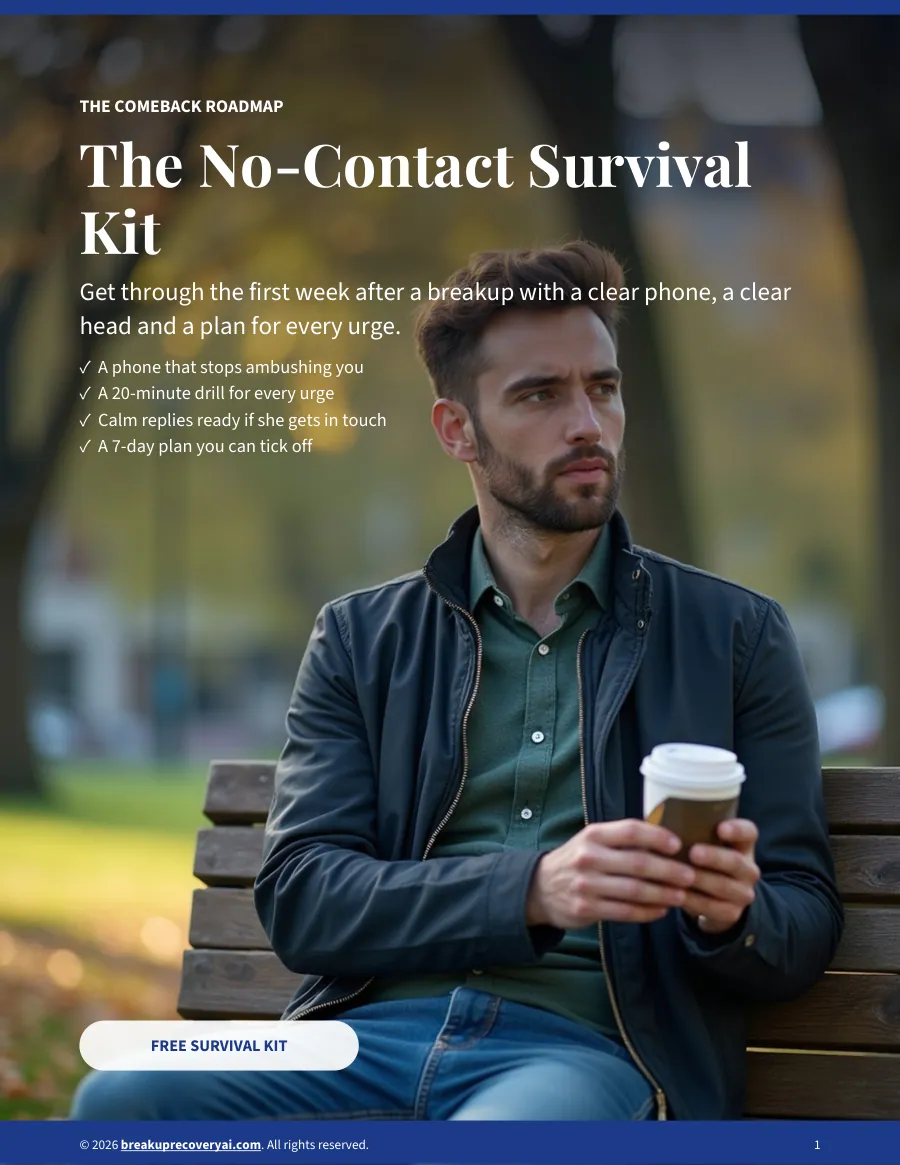
The free Survival Kit includes the 20-Minute Urge Drill, built for exactly the moment the craving peaks.
- You haven't had a drink before a handover or before driving the kids in at least two weeks.
- You use the 30-minute routine before most handovers.
- You have a plan for the hour after, and you use it.
- The anxiety before handovers is still there, but lower or shorter.
- If you still can't face a handover without alcohol after a month, talk to your GP.
Key takeaways
- No alcohol before driving or seeing the kids: a fixed line, not a judgement call.
- A drink before handovers soothes the anxiety short-term and grows it long-term.
- Walk, breathe with a long out-breath, cold water, three lines, then leave.
- Plan the hour after, which is often what the drink was really for.
- If you can't manage without it, your GP can help confidentially.
Questions people ask
Is it okay to have a drink before seeing my ex?
Before a handover, it is best not to. Even a small amount can affect your judgement and driving, and children notice alcohol on a parent's breath. It can also become part of the dispute if your ex or a court sees it as a concern. And using alcohol to manage anxiety tends to make the anxiety stronger over time. Calmer alternatives work better and carry no risk.
How do I calm my anxiety before seeing my ex?
Prepare so there is nothing to discuss, then calm your body in the half hour before. A brisk walk, slow breathing with a longer out-breath, cold water on your face and wrists, and a short call with a friend all lower the stress response. Decide your few words in advance, and plan something for straight afterwards so you are not alone with the replay.
Can I drive after one drink?
Drink-driving limits vary by country and region, and some places have very low or zero limits. Alcohol affects reaction time and judgement before you feel drunk, and there is no reliable way to know you are under the limit. The safest rule, especially when you are collecting or dropping off children, is no alcohol at all before driving.
How do I know if I'm drinking too much to cope with divorce?
Warning signs include drinking to face specific situations, drinking alone most days, needing more to get the same effect, hiding how much you drink, or feeling you cannot get through an evening without it. If any of these sound familiar, talk to your GP. They can help confidentially, and there are effective support services. You do not have to wait until it gets worse.
Not therapy, and no promised results
BreakupRecovery is educational self-help, not therapy, counselling or medical care, and it does not promise any particular result or timeline. Recovery looks different for everyone. Examples are illustrative composites, not real clients. If you feel hopeless or have any thoughts of harming yourself, call or text 988 (the US Suicide and Crisis Lifeline); in the UK and Ireland, call Samaritans on 116 123, or contact your local crisis line or emergency services right away. Read the full disclaimer.
Free survival kit
A 20-minute drill for the hour before you see her
In 30 minutes you finish with a phone that stops ambushing you, a 20-minute drill for every urge, calm replies ready if she gets in touch and a simple plan for your next seven days.