Drinking Alone Every Night After Divorce? A 30-Day Weeknight Reset
The bottle isn't really about the wine. It's about the silence at 8:30 when the kids' rooms are empty.
Video version: The 8:30 p.m. bottle, and what to do instead
Coming soon. Everything in the video is in the written guide below.
If you've started drinking alone every night after divorce, especially on the weeks the kids are with their mum, try a 30-day reset: no alcohol on weeknights, and a plan for the hour you'd usually open the bottle. The drink is filling a gap, usually 8:30 p.m. and an empty flat, so fill that gap on purpose. If you drink heavily every day, talk to your GP before you stop.
"A bottle of wine on my own has become a nightly thing on her weeks."
It's 8:30 p.m., the kids' rooms are empty, the TV is on, and the first glass has turned into the last one in the bottle again.
Weeknights alcohol-free for 30 days, with something else to fill the evening, so wine goes back to being something you share with people at the weekend.
Why the nightly bottle creeps in
On your weeks with the children, evenings have a shape: dinner, homework, baths, bedtime stories, a last glass of water. On her weeks, the shape vanishes at about the time bedtime used to be. The flat goes quiet. That's when the bottle comes out.
For a while it seems to help. The silence softens, the replays fade, you sleep, or at least pass out. But alcohol isn't solving the evening. It's postponing it. And it costs: worse sleep, lower mood the next day, more weight, less patience, and a habit that grows. Drinking too much after divorce usually isn't about loving wine. It's about not knowing what else to do at 8:30.
The pillar post on drinking after a breakup sets out a 30-day rule. Here's how to apply it to the specific pattern of a dad's empty weeks.
A 30-day reset for drinking alone every night after divorce
A note on safety first. If you've been drinking heavily every day, or you get shaky, sweaty or anxious in the mornings until you drink, stopping suddenly can be risky. Speak to your GP before you start. They can help you cut down safely.
- Count what you're drinking now, honestly, for three nights, in glasses or units.
- Set the rule: no alcohol from Monday to Thursday for 30 days, and only with other people at weekends.
- Clear the flat of alcohol before your first child-free week, and buy an alcohol-free drink you actually like.
- Write down your danger hour, usually 8 to 9 p.m., and give each weeknight a plan for it.
- Tell one person about the 30 days, and send them a one-word update each evening.
- Mark each dry weeknight on a calendar, and review at day 15 and day 30.
Counting honestly
Many men are surprised. "A couple of glasses" often turns out to be most of a bottle, which is a lot of units for one evening. You're not counting to feel bad. You're counting so you can see the change later.
The danger hour
The urge doesn't last all evening. It peaks around a particular time, usually when the old routine ended. If that hour has a plan, the rest of the evening tends to look after itself.
What to do at 8:30 instead
Build a short menu and pick from it each night. Mix the active and the restful.
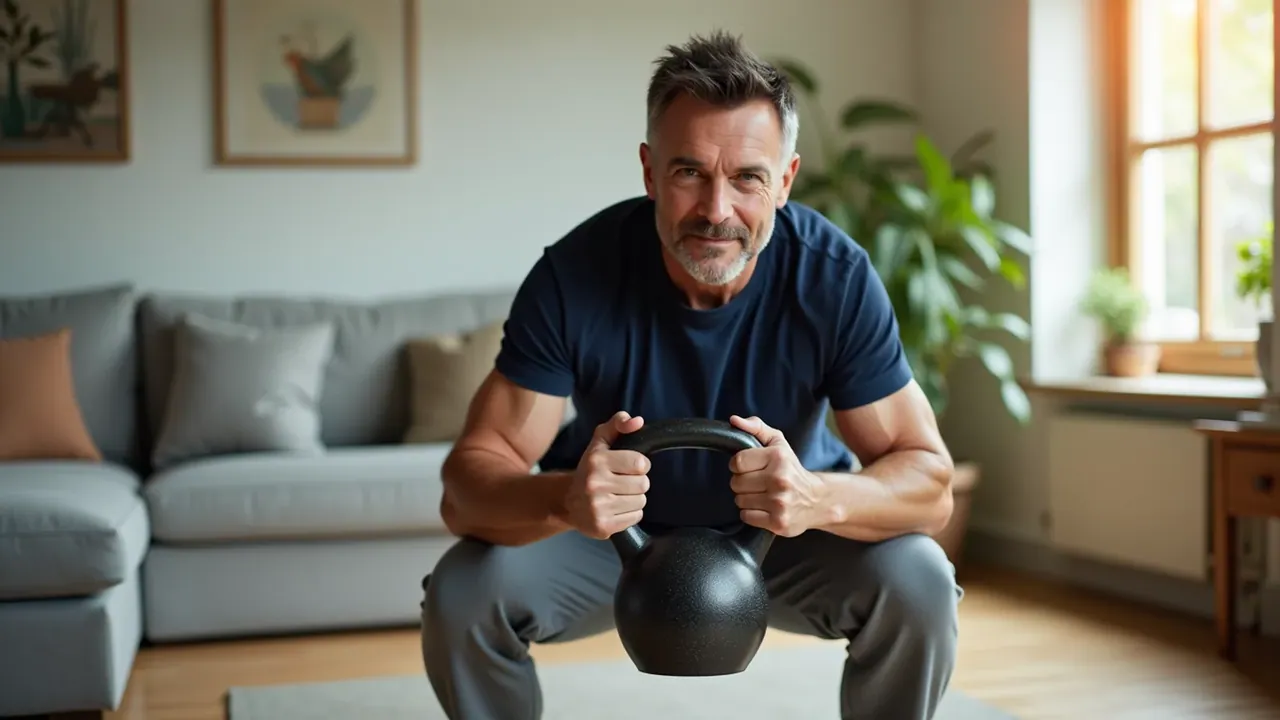
Move: a 30-minute walk or run, a home strength session, a swim.
Make: cook a proper meal from scratch, bake, fix something, build something.
Connect: call a friend or your brother, a game online with mates, a club night.
Rest: a long shower, a film you chose, a book, an early night.
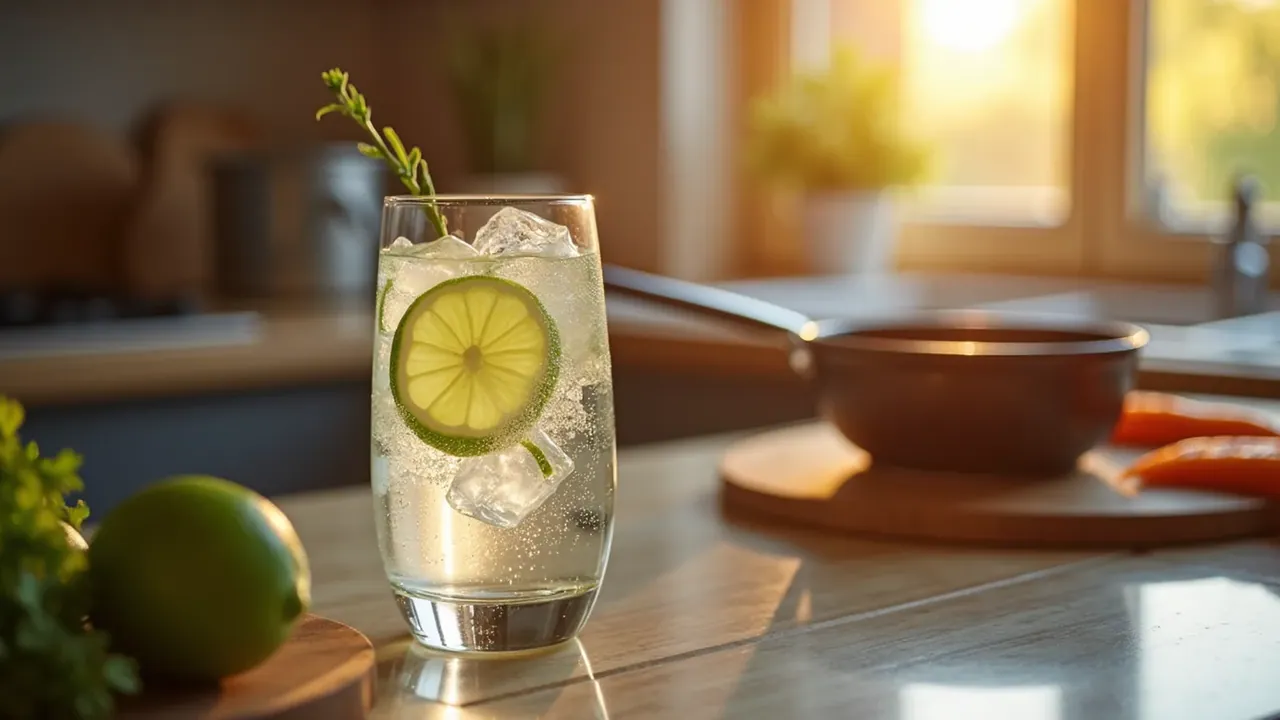
Drink: sparkling water with lime, alcohol-free beer, a herbal tea.
On your weeks with the kids, keep the same rule on weeknights. A dry evening routine is easier to keep when it doesn't change with the schedule.
Phil's first dry fortnight
Phil, 44, was getting through a bottle of red most nights on the weeks his sons were at their mum's. He counted for three nights: about five large glasses a night. He told his GP, who said cutting down over a week was fine for him. He cleared the flat, bought alcohol-free beer, and planned his 8:30 slot: a walk on Monday, a call with an old friend on Tuesday, cooking on Wednesday, a home workout on Thursday. Day four was hard, and he nearly drove to the shop. By day 15 he was sleeping through, and by day 30 he'd lost a few pounds and kept the walks.
Mistakes that end the reset early
- Keeping "just one bottle" in the flat. At 8:30 on a bad night, it'll be open. Fix: nothing at home on weeknights.
- No plan for the danger hour. A blank evening is where the habit wins. Fix: one specific thing for each weeknight.
- Treating a slip as the end. One evening off-plan isn't failure. Fix: mark it, learn what triggered it, and carry on the next night.
- Swapping wine for a different crutch. Endless scrolling or junk food can fill the same hole. Fix: include movement and people in the menu.
- Ignoring signs of dependence. Morning shakes or not being able to stop are medical issues. Fix: talk to your GP.
What 30 days of alcohol-free weeknights show you
After a month of alcohol-free weeknights, many men learn two things. First, how much better they sleep and feel in the mornings. Second, what the drinking was covering: usually loneliness, grief or boredom. Both are worth knowing, because both can be worked on directly.
Moving your body helps more than almost anything else in the evenings; getting fit after divorce at 40 has a 25-minute home routine that fits the 8:30 slot. If the drinking also shows up before handovers, see drinking before seeing your ex.
If you can't manage the 30 days, that's important information, not failure. Your GP can help confidentially, and there are free support services and mutual-support groups. If drinking comes with hopelessness or thoughts of harming yourself, call or text 988 in the US (or Samaritans on 116 123 in the UK and Ireland), or your local crisis line, straight away. The free Survival Kit has a section on sleep, alcohol and the 3 a.m. mind.
- You've had at least four dry weeknights in a row.
- Your danger hour has a plan most nights, and you use it.
- You're sleeping better and waking with more energy.
- Alcohol is mostly something you have with other people at weekends.
- If you can't get past three dry nights, or you feel unwell when you stop, talk to your GP.
Key takeaways
- The nightly bottle fills a gap, usually the hour the kids' bedtime used to be.
- Count honestly, then try 30 days of alcohol-free weeknights.
- Plan the danger hour with something to move, make, connect or rest.
- Clear the flat, and keep alcohol for weekends with people.
- Heavy daily drinkers should talk to a GP before stopping.
Questions people ask
Is drinking every night after divorce a problem?
Drinking alone most nights, especially a bottle of wine or more, is a pattern worth taking seriously even if it feels under control. It affects sleep, mood, weight and energy, and it can quietly become harder to stop. Many men find it started as a way to cope with the silence. A short break, such as 30 days of alcohol-free weeknights, shows you how much it is doing for you.
How do I stop drinking alone in the evenings?
Plan the hour you usually start drinking before it arrives, and fill it with something specific: a walk, cooking a proper meal, training, a call, a project. Keep no alcohol in the house on weeknights, have an alcohol-free drink you like, and tell one person what you are doing. The first week is usually the hardest.
Is it safe to stop drinking suddenly?
For most people who drink moderately, stopping is safe. But if you have been drinking heavily every day for a while, stopping suddenly can cause withdrawal symptoms such as shaking, sweating, anxiety or, rarely, more serious problems. If that sounds like you, or you have had shakes in the morning, talk to your GP before you stop so they can help you do it safely.
Where can I get help for drinking after divorce?
Your GP is a good first step and can talk it through confidentially. Many areas have free alcohol support services, and mutual-support groups meet in person and online. Counselling can help with the divorce stress that is driving the drinking. If drinking comes with feelings of hopelessness or thoughts of harming yourself, contact a crisis line or emergency services straight away.
Not therapy, and no promised results
BreakupRecovery is educational self-help, not therapy, counselling or medical care, and it does not promise any particular result or timeline. Recovery looks different for everyone. Examples are illustrative composites, not real clients. If you feel hopeless or have any thoughts of harming yourself, call or text 988 (the US Suicide and Crisis Lifeline); in the UK and Ireland, call Samaritans on 116 123, or contact your local crisis line or emergency services right away. Read the full disclaimer.
Free survival kit
Plan your evenings for the next seven days
In 30 minutes you finish with a phone that stops ambushing you, a 20-minute drill for every urge, calm replies ready if she gets in touch and a simple plan for your next seven days.