Lonely at Night After a Breakup? How to Face the Silence Without Scrolling
The scrolling isn't about what's on the screen. It's about not being alone with a quiet room. Change the room, and the phone matters less.

Video version: The loneliest hour, and how to fill it
Coming soon. Everything in the video is in the written guide below.
Feeling lonely at night after a breakup is why so many men scroll until 2 a.m. The phone isn't entertainment, it's company. So the fix isn't just "put it down". Charge it outside the bedroom, fill the silence with sound from a speaker, change one thing about the bed, and follow a short wind-down. For many men, lights out by midnight becomes normal within a couple of weeks.
"I lie in bed scrolling until 2 a.m. because I can't face the silence."
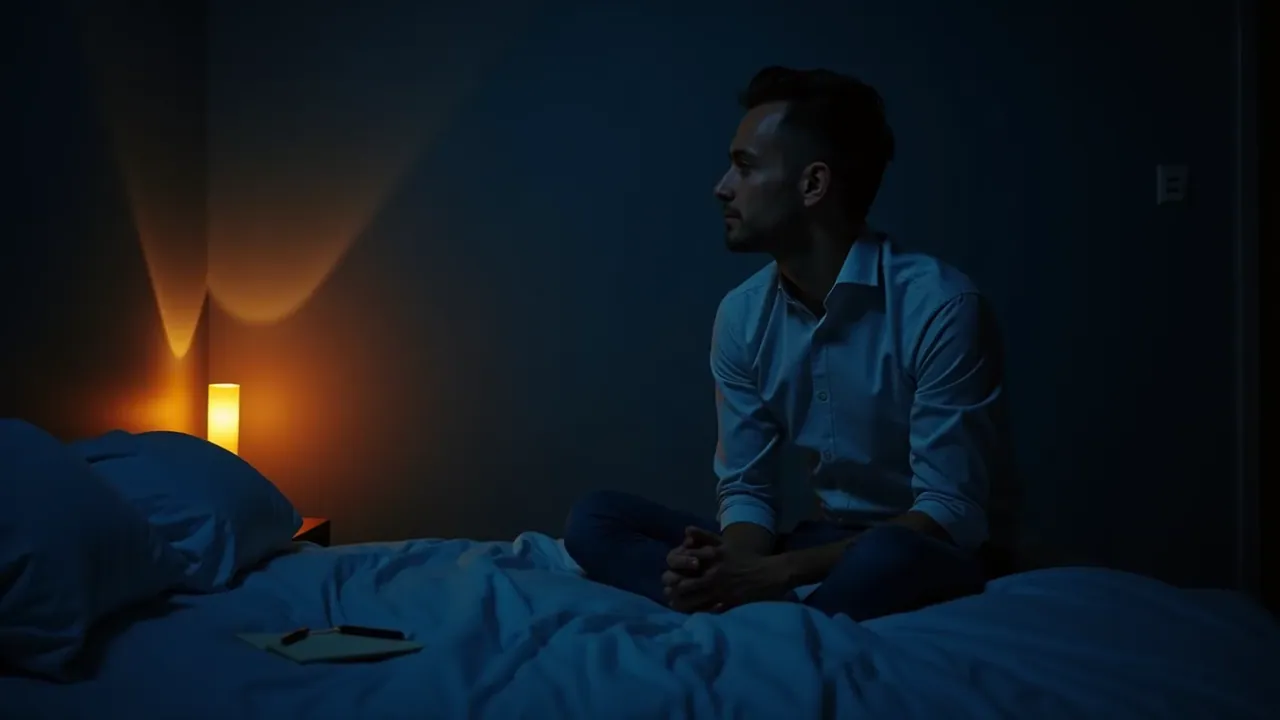
It starts the moment you get into bed alone in a quiet flat. The room is too still, the other side of the bed is too obvious, and your thumb finds the screen almost before you've lain down.
A wind-down routine that replaces the phone, with lights out by midnight on most nights and a bedroom that feels like yours.
Why bedtime is the loneliest hour
During the day, you have scaffolding. Meetings, messages, people at work, errands. Even on a bad day, your attention is pulled outward. At night, the scaffolding comes down.
Bedtime is also when the breakup is most physical. If you shared a bed, the empty side of the bed is right there. The routines you had, a chat with the light off, her alarm going first, are gone. The silence isn't neutral. It's full of what's missing.
The phone fills that gap with noise and faces. That's why you can't stop scrolling at night even when you're bored, even when it's making you feel worse. It's not about the content. It's about not being alone with the quiet.
The pillar guide, how to sleep after a breakup, gives the core wind-down. This post goes into the loneliness underneath it, because if you don't deal with the silence, the phone will keep winning.
Change the room before you change the habit
Small physical changes tell your brain this is a new chapter, not an empty version of the old one. Try one or two this week:
- Sleep in the middle of the bed, or move the bed to a different wall if the room allows.
- Change the bedding. New covers, even cheap ones, make the bed feel like yours.
- Move anything of hers, or anything that was "ours", out of sight of the pillow.
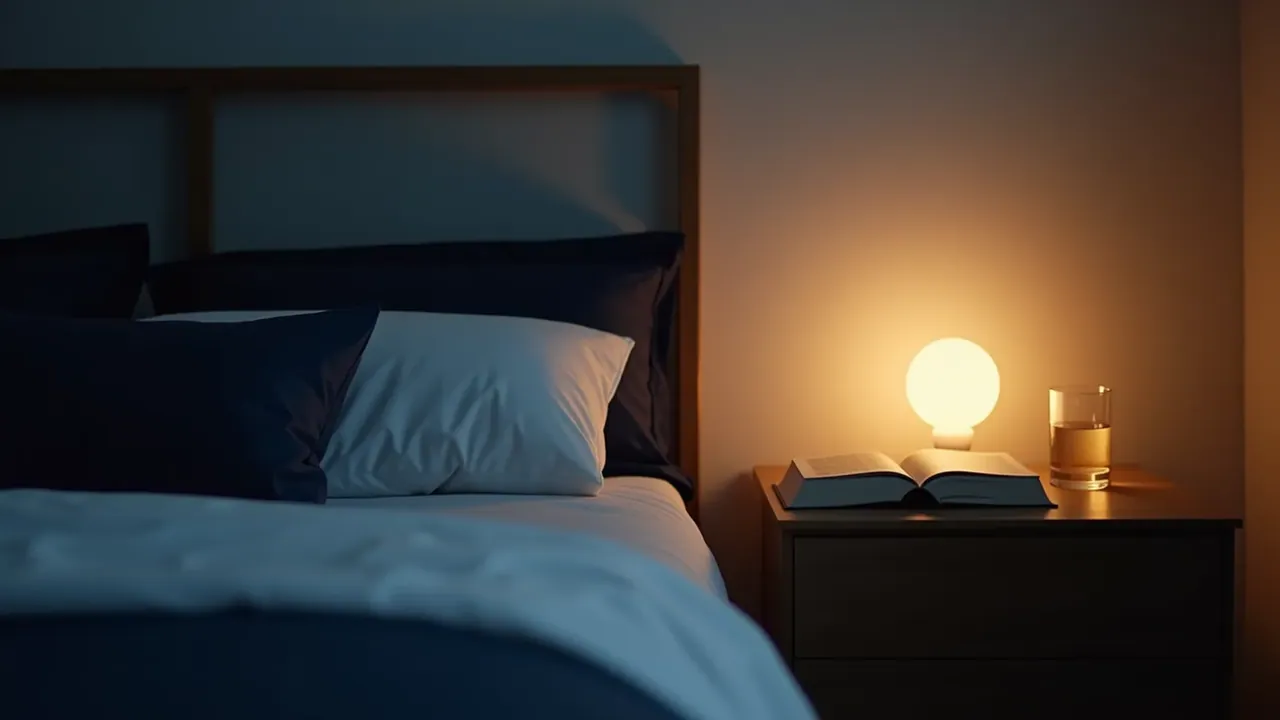
- Add a warm, low lamp so the last light you see isn't a screen.
- Put a paper book on the bedside table, already open at the right page.
None of these is dramatic. Together they shift the feel of the room from "where she used to be" to "where I sleep".
A night routine after breakup that fills the silence
- Set a phone curfew 45 minutes before your target lights-out, and charge the phone in another room.
- Message or call one person before the curfew, even for five minutes, so the evening ends with a voice.
- Do one dull, physical job: wash up, lay out tomorrow's clothes, take a shower.
- Put on a podcast or audiobook through a speaker with a sleep timer of 20 to 30 minutes.
- Read ten pages of a paper book in bed under the warm lamp.
- Switch the light off at the same time every night, aiming for midnight or earlier.
Why the call comes first
Loneliness is easier to sit with if the last human contact of the day wasn't hours ago. A five-minute call with a brother, a friend or a parent at 9:30 changes the feel of the next two hours. It doesn't have to be about her. Talk about football, a work story, what they had for dinner.
Sound, not screens
Silence is often the hardest part. A sleep timer on a speaker gives you a voice in the room without a screen in your hand. Pick something calm and familiar, like an old comedy podcast, a history audiobook or a sports show. Avoid anything about relationships or anything you'll want to keep listening to.
Make the curfew real
A phone curfew only works if the phone leaves the room. Most phones have a downtime or bedtime mode that dims the screen and limits apps after a set time. Turn it on as a backstop, but don't rely on it. Distance beats settings.
Cameron and the empty side of the bed
Cameron, 26, is a trainee solicitor in Edinburgh. His partner of three years moved out in June, and by August he was scrolling in bed until 1:30 or 2 most nights. He bought a £15 bedside lamp and new bedding, and started sleeping in the middle of the bed. He set his phone curfew at 11:15 and charged it in the kitchen. Most nights he rang his older sister or texted his flatmate from university before then. He listened to an old football podcast on a speaker with a 30-minute timer. In the first week, he made his midnight target on three nights. By the end of the third week, he was making it six nights out of seven.
Copy this bedtime script for the hard nights
On the nights the silence feels loud, say this to yourself once you're in bed with the light off:
"The room is quiet because my life is changing, not because something is wrong with me. I don't need the phone to keep me company. The podcast will switch off, and that's fine. Tonight's only job is rest."
If the urge to message her rises at this point, that's a separate urge with its own drill. The steps in how to resist texting your ex are made for exactly this hour.
Mistakes that keep you scrolling
- Keeping the phone "just for the alarm". That's how it ends up in your hand at 1 a.m. Buy an alarm clock.
- Swapping Instagram for YouTube. It's still a screen and it still keeps you awake. Use audio only.
- Going to bed early to "get it over with". Lying awake for an hour makes the bed feel lonelier. Go to bed when you're sleepy.
- Drinking to fall asleep. It may knock you out, but it often leads to broken sleep and early waking, as covered in waking up at 3am after a breakup.
- Expecting the loneliness to vanish. The aim isn't to feel nothing. It's to be able to feel lonely and still sleep.
- Your phone charges outside the bedroom on most nights.
- You're switching the light off by midnight at least five nights a week.
- The last contact of your evening is a person, not a feed.
- The bedroom feels a little more like yours than it did two weeks ago.
- If you're still scrolling past 1 a.m. most nights, check whether the phone is really leaving the room. If it is, bring the curfew forward by 30 minutes.
If you'd like help turning the whole evening into a plan, the free No-Contact Survival Kit includes a 10-minute nightly release and a simple seven-day schedule.
This article is general wellness information, not therapy or medical advice. If loneliness feels unbearable, or you have thoughts of harming yourself, call or text 988 in the US (or Samaritans on 116 123 in the UK and Ireland), or contact your local crisis line or emergency services right away.
Key takeaways
- Scrolling in bed is about the silence, not the content.
- Change the room a little so it feels like yours, not half of something.
- End the evening with a voice: a short call before your phone curfew.
- Use a speaker and a sleep timer instead of a screen.
- Aim for lights out by midnight most nights, not perfection.
Questions people ask
Why is loneliness worse at night after a breakup?
Daytime has structure: work, other people, tasks to do. At night that all falls away, and the quiet is where you notice what's missing. If you used to share a bed, bedtime is also the moment the change is most physical. Tiredness lowers your guard, so the feeling hits harder. It's a predictable pattern, not a sign that something is wrong with you.
How do I stop scrolling on my phone in bed?
Take the phone out of the bedroom. Charge it in the kitchen or hallway at a set time, and use a cheap alarm clock instead. Then fill the gap the phone used to fill, with sound from a speaker, a paper book and a short routine. Trying to resist the phone while it sits on your pillow rarely works for long.
Is it okay to fall asleep with a podcast after a breakup?
For many people it's a helpful bridge. A calm, familiar voice can make a quiet room feel less empty. Play it on a speaker rather than the phone in your hand, and set a sleep timer for 20 to 30 minutes so it switches off. Choose something steady and unexciting, rather than anything about relationships or that keeps you listening.
How long does it take to get used to sleeping alone after a breakup?
It varies. Many men find the first two or three weeks the hardest, with gradual improvement once a regular bedtime routine is in place. Changing the bedroom a little, such as moving the bed or sleeping in the middle, can help it feel like your space. If loneliness feels crushing or doesn't ease after a few weeks, talk to a doctor or therapist.

Free planner
Give your weekends a shape again
In 25 minutes: your hard hours mapped, a Friday-to-Sunday plan with fixed points, a short list of people and a calm plan for the weekends that go badly.